
Arrest Warrants in Denton County
An arrest warrant authorizes custody. A peace officer acts on the court's order, and Texas Code of Criminal Procedure Chapter 15 governs arrest under warrant. The judge or magistrate first reviews a sworn complaint, a charging statement, against the required probable-cause standard before issuing process. Court level matters next. District Courts try felonies. County Criminal Courts handle assigned misdemeanors, while JPs and city courts manage many Class C matters and magistrate work. No single Denton County Sheriff search covers it all.
Denton County Arrest Warrant Affidavits
A complaint or affidavit states the basis for review. It may name the issuing judicial officer, the court, the charge, the case number, the issue date, bond terms, and the agency asked to serve the paper. Name the court and cause number. Some supporting papers in Denton County stay sealed under law-enforcement exceptions, so a public case screen may show less than the full file. For a certified copy, ask the clerk directly. The District Clerk's felony search form is not a statewide criminal-history service. It does not reach city traffic records. Texas Code of Criminal Procedure Chapter 15 explains the complaint and warrant process that governs Denton County arrest paperwork.
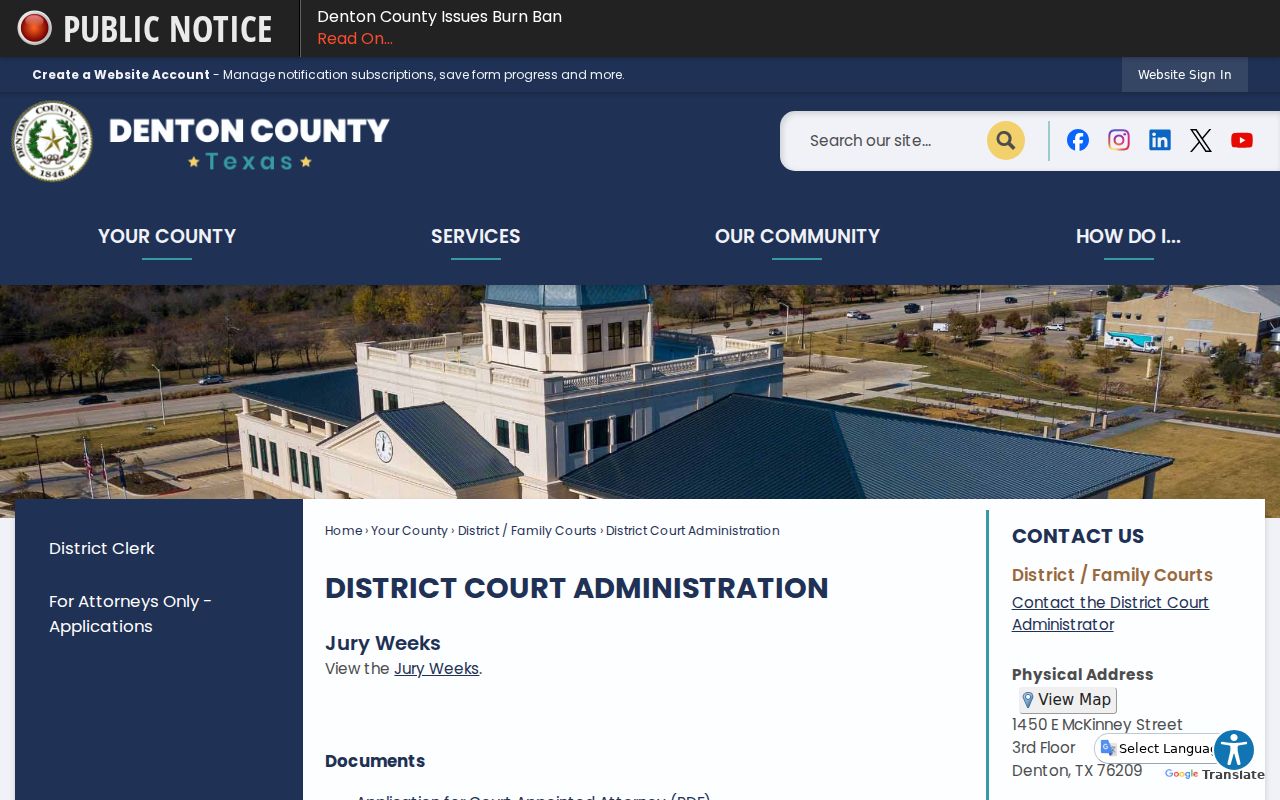
Denton County's court building page lists the assigned court and clerk offices, the fastest route for affidavit questions.
What a Denton County Arrest Warrant Contains
There is no single public Denton County warrant-number format. A cause number can differ from a warrant number. Clerks match files by court, charge, and date. Treat a name-only match with care, since it does not prove the file is yours.
| Case / cause | Identifies the criminal case held by the assigned court. |
|---|---|
| Warrant type | Arrest warrant, capias, or another order described by the issuing court. |
| Complaint / basis | May point to the sworn record that supported the request, subject to access limits. |
| Issuer | Judge, magistrate, or court shown in the case file. |
| Bond block | Amount and accepted type, if set and released for public access. |
| Service / return | Serving agency and any execution or return event shown in the record. |
| Status | Current service or recall state, confirmed by the issuer. |
Denton County Arrest Warrant Issuer and Server
Who issues and who serves are different questions in Denton County. The Magistrate Court handles initial-process work, including complaints and arrest matters. Later case action belongs to the assigned trial court. The Sheriff's Warrant Unit, constables, municipal police, city marshals, and deputy town marshals may all serve process. None of them decides a recall. That call rests with the issuing court. For routing, the Special Operations Division lists a Warrants Unit and a Warrant Research Specialist, and the warrant phone directory lists 940-349-1560 and 972-434-5505. The Sheriff Special Operations page outlines the Denton County unit.
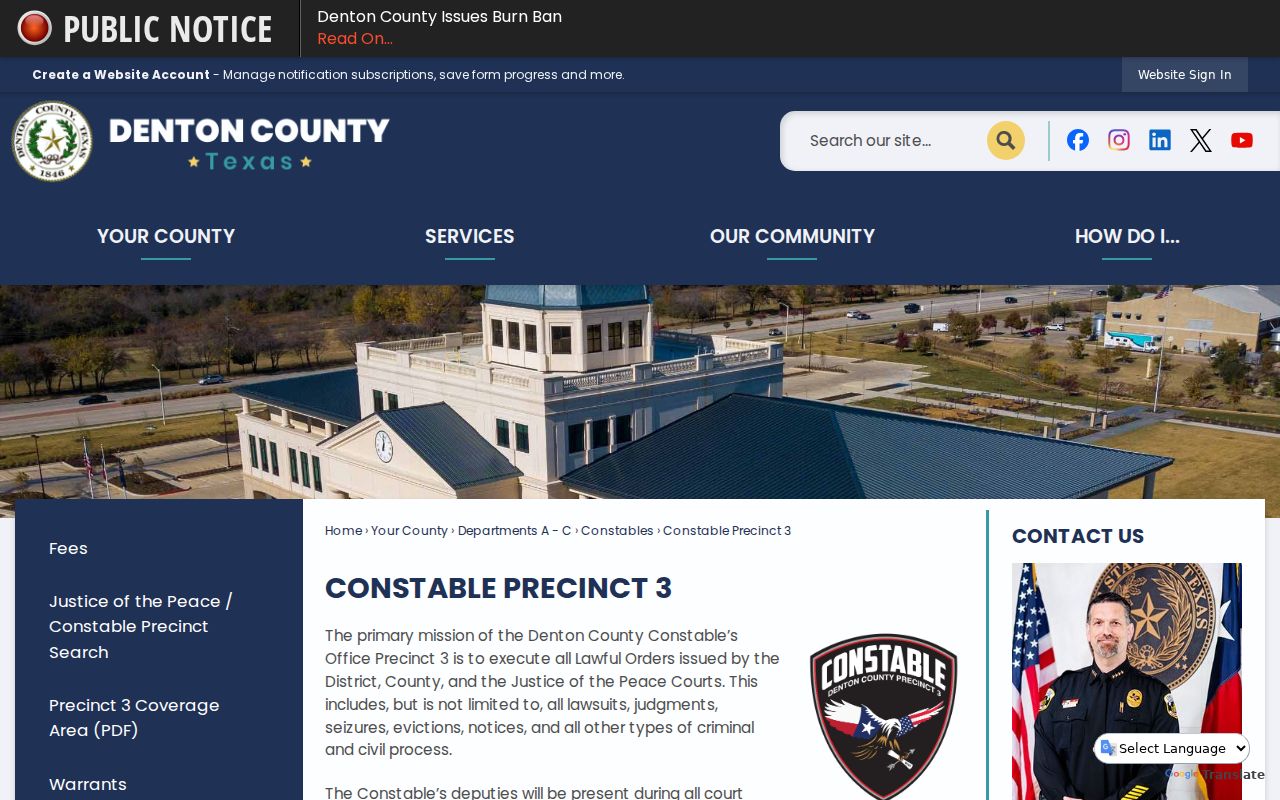
Constable Precinct 3 identifies Class C JP warrant service among its duties.
How Denton County Arrest Warrants Are Served
Who serves a warrant in Denton County varies. A county deputy, a constable, a city officer, or a marshal may carry the paper. The Sheriff describes countywide warrant service and fugitive extradition. Denton County's Warrants page notes that some unresolved JP citations move to a constable for service. City process may stay local. That split is why the issuing court and the serving office often differ. Ask which court issued the warrant. Also ask which agency holds service duty, and what court event follows an arrest or surrender. A bond can address release and appearance without resolving the charge itself, so a lawyer helps with felony or contested matters. The Sheriff page covers service and records routes.
Denton County Arrest Warrants vs Federal Process
Federal warrants live outside Denton County's court, JP, city, and Sheriff search routes. The Northern District of Texas clerk keeps federal records. PACER provides docket access. The U.S. Marshals Service handles federal execution and fugitive routing for those cases. A county result cannot confirm a federal case. So a federal notice goes to a federal office. Read the district and case number, then contact the office it names, keeping in mind that CourtListener's RECAP archive can help with research but is not the clerk's current docket or a certified record. Use the Northern District court directory or the U.S. Marshals Northern District page for official contacts.
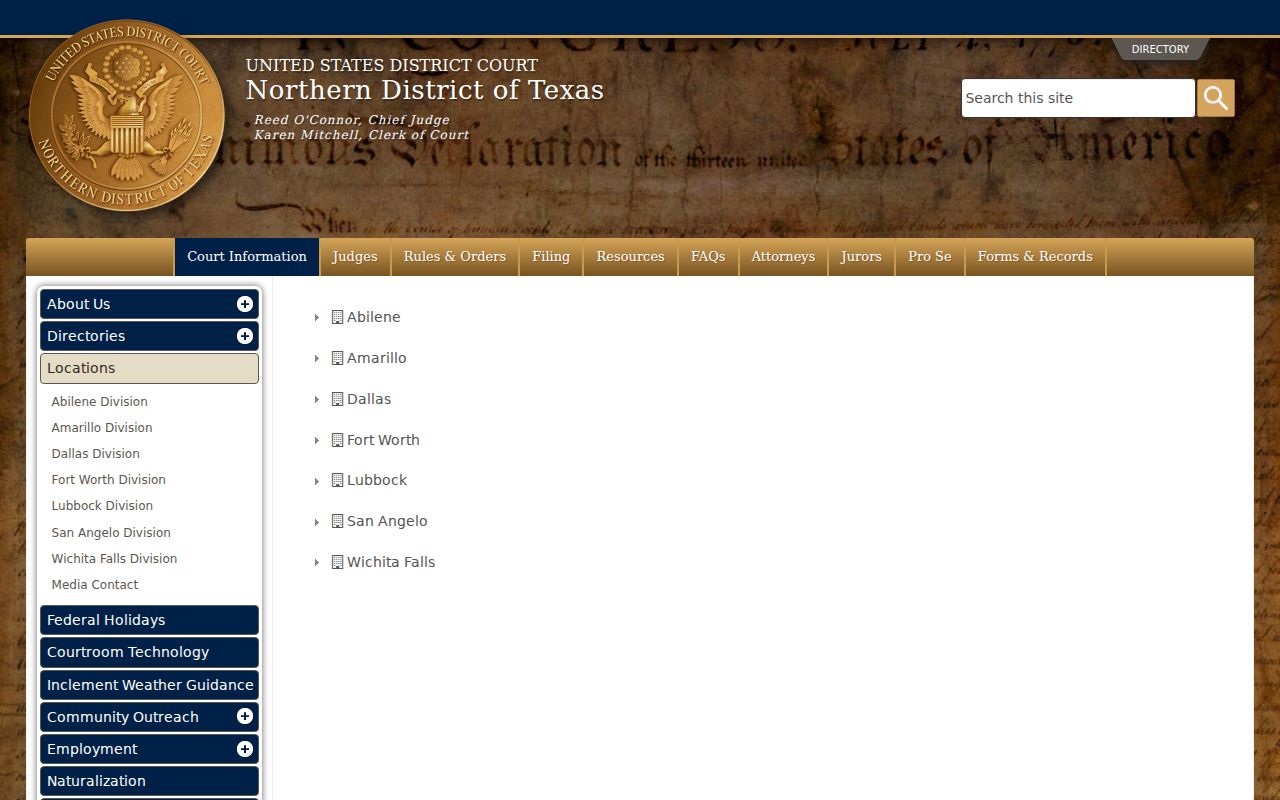
Federal clerk or Marshal contacts answer federal questions, not county-court recall.
Arrest Warrant vs Summons vs Bench Warrant
Three terms, three court actions in Denton County. An arrest warrant authorizes custody after the required legal showing. A summons just orders an appearance, while a bench warrant usually follows a missed setting in an existing case. The court notice and file control the right response.
| Process | Why it may issue | What the order does |
|---|---|---|
| Arrest warrant | Complaint or affidavit reviewed for probable cause | Authorizes arrest by a peace officer |
| Summons | Court directs a person to answer or appear | Sets an appearance without ordering arrest at that point |
| Bench warrant | Missed date, contempt, or failure to comply | Brings the person before the court |
The bench warrant page explains the missed-court route in Denton County.
Denton County Arrest Warrant Records Have Limits
Public access to Denton County warrant records has limits. Texas Government Code Chapter 552 opens a request path but carries exceptions, and Section 552.108 can shield material when release would interfere with detection, investigation, or prosecution. Juvenile warrants get special protection. Family Code §58.010 covers juvenile arrest warrants and complaints, and sealed records may stay closed as well. A blank screen proves nothing. New or restricted records often miss a public interface. Ask the issuing court in Denton County what it can confirm and whether a written request would produce the document. The Texas Public Information Act and Family Code §58.010 describe the access rules.
Denton County Records Request Fields
Denton County gives you two clerks, and each takes a different form. The District Clerk handles felony searches, and its form wants a full name, date of birth, and at least one more identifier: a driver's-license number, state ID, or Social Security number. The search fee is five dollars, certificates cost extra if you order them, and the office allows up to ten business days. Misdemeanor cases sit with the County Clerk, which uses its own request form for Class A and B misdemeanors, with its own identifiers and fee. For records the Sheriff holds, send a Public Information Act request through an approved channel: mail, email, hand delivery, or GovQA. Describe an actual record, such as a cause number, warrant return, or service record, since the office may withhold or redact protected material. The District Clerk felony form and the county request form set out the current scope of each request.
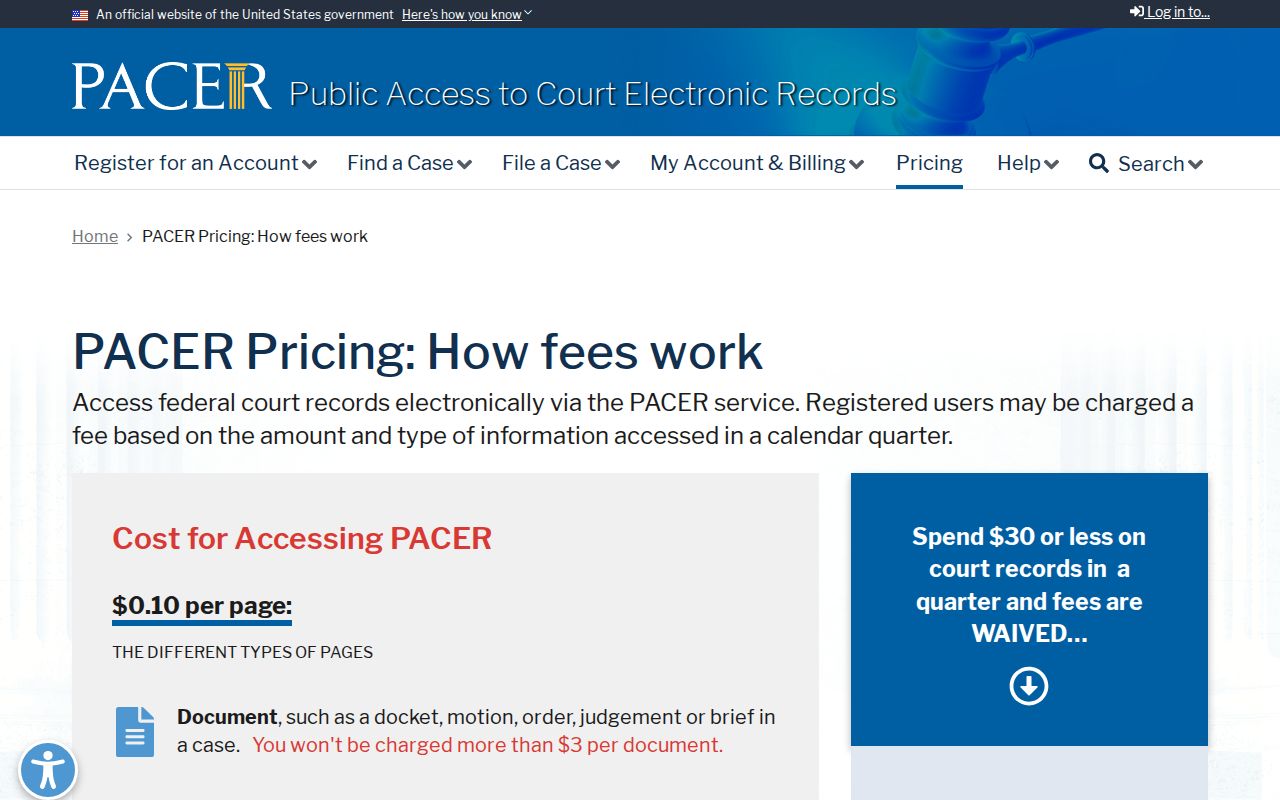
The PACER page concerns federal docket fees, not local warrant-record fees.
What to Do If There Is a Warrant for You
Call the Denton County court first. Ask it to confirm the warrant type, the cause number, the current bond, the serving agency, and your next required step. If a felony, a probation matter, or a contested charge is in play, talk with a criminal-defense lawyer before you surrender. From there, the court may set a bond, accept a voluntary appearance, reset the case, or entertain a request to recall or quash the warrant.
Important: A bond can address custody without ending the case. Confirm the court's current instructions with counsel or the issuing clerk before acting.
Keep your paperwork: the receipt, the signed bond, any court order, and the next setting date. Then ask the Denton County court whether the warrant was recalled and whether another report or court event still sits ahead. The Denton County warrant overview maps the local offices you may need.